“Everyone wants to save the world…they just disagree on how.”- Maximus, Fallout Season 1
Wealth isn’t just about returns.
Behavioral incentives define abundance.
Wealth creation is evident in how people invest and in the methods warring factions attempt to rule the post-apocalyptic world in the hit Amazon series, Fallout.
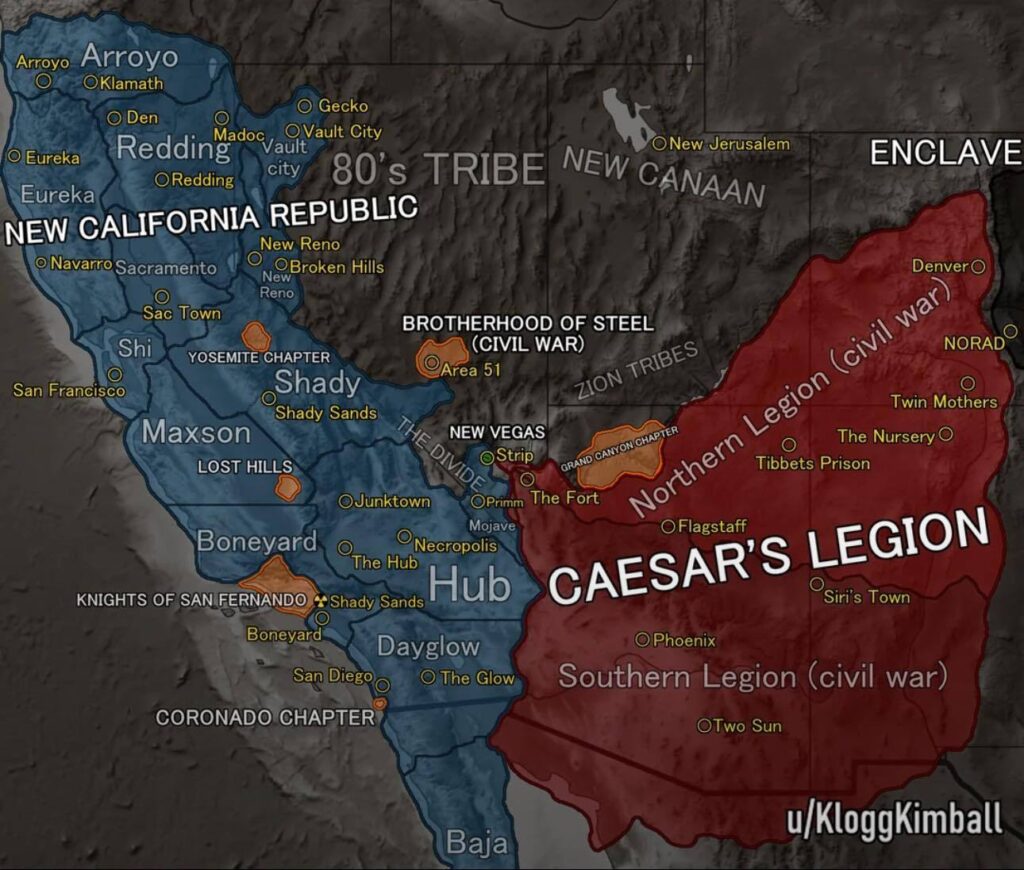
Every Fallout faction claims this motto as their North Star: creating a better world. What divides them isn’t intention, but belief regarding human nature.
Each group provides lessons that apply not only to a nuclear-devastated landscape but also to money management.
The Brotherhood of Steel is armed to the teeth with powerful technology. They believe their Knights should be in sole possession of violent firepower because they are the only ones worthy of this honor.
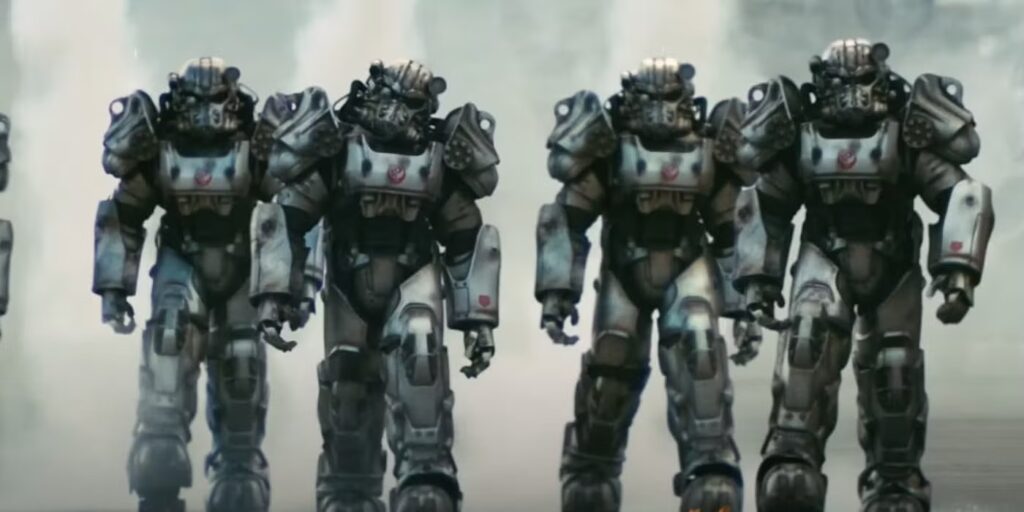
Some investors outsource their money to blackbox algorithms, believing investing is too complex for mere mortals. Managing money requires a high priest, not a human being.
We saw this when geniuses failed under the guise of a Nobel Prize winner and other brainiacs. Long Term Capital Management almost single-handedly crashed the U.S. economy in 1998. If not for a massive federal/private bailout, we all might be spending our time being chased by mutated cockroaches instead of worrying about the price of bitcoin.
Arrogance was not the culprit. Fragility staked its claim.
Relying on a system that only works when experts are right will fail. Experts aren’t Gods. Power without wisdom never works.
The New California Republic trusts in the power of rules, norms, and time. It accepts inefficiency as the price of continuity.
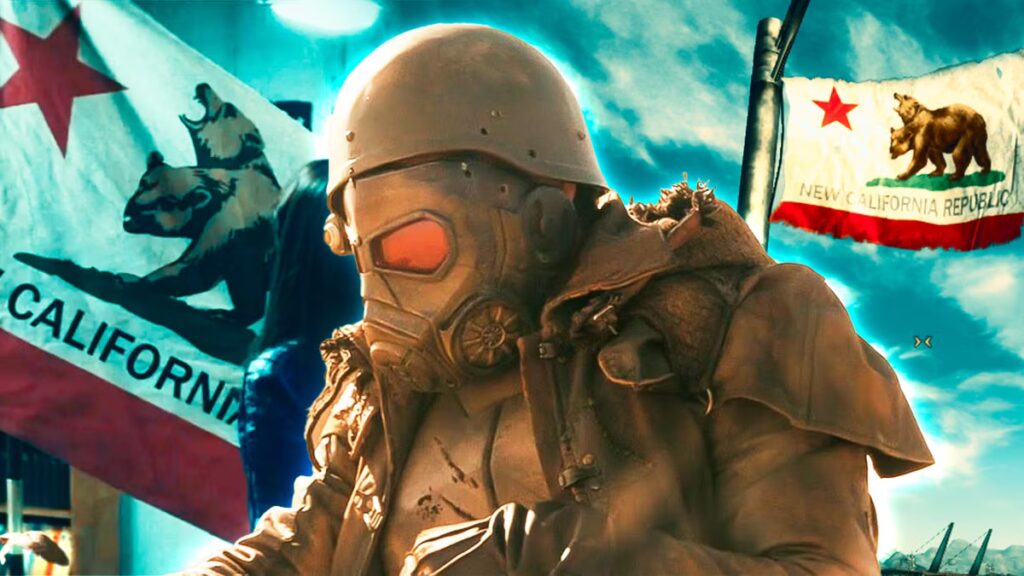
They tried to rebuild the old world the right way, ignoring deadly risks.
This dream was shattered by the detonation of a well-placed nuke, obliterating their Shady Sands community, delivered by a rival faction. The NCR mirrors patient, institutional wealth-building: broad participation, slow gains, dull success.
The problem here is entropy—every system decays. Neglected portfolios slowly drift out of balance. Rot takes place and leads to eventual collapse.
Time compounds both wealth and complacency.
The Legion accredits ruling with an iron fist. Caesar’s tenet is that chaos is worse than cruelty. Centralized authority, enforced authority, and simple choices compose Caesar’s worldview.
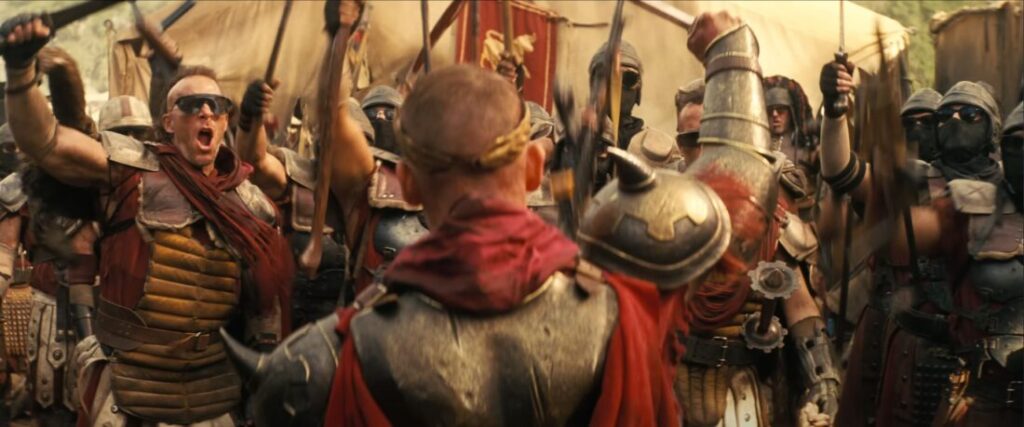
In wealth, this appears as concentrated power: one decision-maker, one vision, one point of failure.
It works—until it doesn’t.
Control and resilience are two different things.
Cooper Howard (The Ghoul) has survived for 200 years. His resiliency isn’t raw power, but on the memory of how the world really works.

He understands scarcity, betrayal, and tradeoffs. Incentives, not stories, compose his life philosophy. Adaptability trumps ideology.
For investors, this can work, but it limits upside potential. The Ghoul’s obstacle is trusting long-term compounding.
Realism is vital to making money; too much leads to permanent defensiveness and missed opportunities.
Lucy Mclean is the antithesis of her traveling partner, The Ghoul. She trusts first and adapts second. She assumes people are fundamentally good, helping her attract allies, opportunities, and information. Her trademark response is Okey-Dokey!

Unfortunately, the Wastelend is full of cannibals and mutants who will kill for the slightest reason.
If all investors followed her unabashed idealism, the long-term horizon might become very short, very quickly.
Markets can’t survive without trust and hope for the future. The question becomes how much one is willing to give.
To thrive in the wasteland or volatile markets, investors need not follow the most innovative model but the broadest worldview.
Combining traits from all the factions is optimal diversification to avoid financial armageddon. Choices include protection (Cash High-Quality Bonds), adaptability (Tactical Funds), Morality (Avoiding unethical investments), and an acceptance of chaos. (Understanding how little investors control reagrding daily volatility.)
Enduring the Wasteland and financial volatility have one common theme. The goal is not to dominate the future but to remain human when the future refuses to cooperate.
Humanity and your portfolio’s survival depend upon it.