Young Americans have a health and wealth problem.
Numbers don’t lie. A study published in the Journal of the American Medical Association revealed startling data. According to Dr. Christopher Forrest, the surprising part of the study wasn’t any single statistic: it was that 170 indicators and eight data sources all showed the same thing: a generalized decline in kids’ health.
Some examples include:
- Obesity rates for U.S. children 2-19 years old rose from 17% in 2007-2008 to about 21% in 2021-2023.
- A U.S. child in 2023 was 15%-20% more likely than a U.S. child in 2011 to have a chronic condition such as anxiety, depression, or sleep apnea.
- Annual prevalence rates for 97 chronic conditions recorded by doctors rose from about 40% in 2011 to 46% in 2023.
- Early onset of menstruation, trouble sleeping, limitations in activity, physical symptoms, depressive symptoms, and loneliness also increased among American kids during the study period.
- American children were around 1.8 times more likely to die than kids in other high-income countries from 2007 to 2022. Being born premature and having a sudden, unexpected death were much higher among U.S infants.
Source: The Associated Press
Some might question the government’s priority of tackling kids’ money issues before tending to their mental and physical health, but that’s where we are. New legislation brings us to Trump Accounts, featured in The One Big Beautiful Tax Bill.
The new “Trump Accounts,” part of the 2025 tax law, are investment accounts automatically created for every child born in the U.S. between 2025 and 2028. Each account begins with a $1,000 government contribution at birth. Parents, employers, and even nonprofits can contribute up to $5,000 annually, excluding employer contributions from taxable income (up to $2,500). All contributions are post-tax and invested in low-cost, U.S. index funds.
Earnings grow tax-deferred, and withdrawals are allowed at age 18 for qualified uses such as education, home buying, small business startup, or job training. Qualified gains are taxed as long-term capital gains. Early withdrawals or unqualified uses before age 25 face penalties. The account must be used by age 31, or any remaining balance becomes taxable.
The goal is to encourage early investment habits and help build long-term wealth from birth. While the Trump Accounts offer universal access and tax advantages, they are less flexible than plans like 529s. They may have more complicated tax consequences, particularly for employer and government seed contributions. Clear IRS guidance is forthcoming to shape how these accounts are used and integrated into broader financial planning.
Overall, these are positive steps for our nation’s youth. What’s paramount is getting kids to become participatory capitalists. Despite what they might hear, socialism is an abhorrent plan for creating wealth. We have a colossal problem with the way wealth is distributed across society. The gap between the Haves and Have-Nots and the lack of home affordability are making Marxism Great Again for impressionable young people.
While it’s easy to understand the youth’s fascination with planned economies, they should heed Margaret Thatcher’s warning before casting their ballot for the next Che Guevara: The problem with socialism is that you eventually run out of other people’s money.
According to my colleague Ben Carlson, the top 20% by income hold 71% of the wealth in this country—thats up from 60% in 1989.
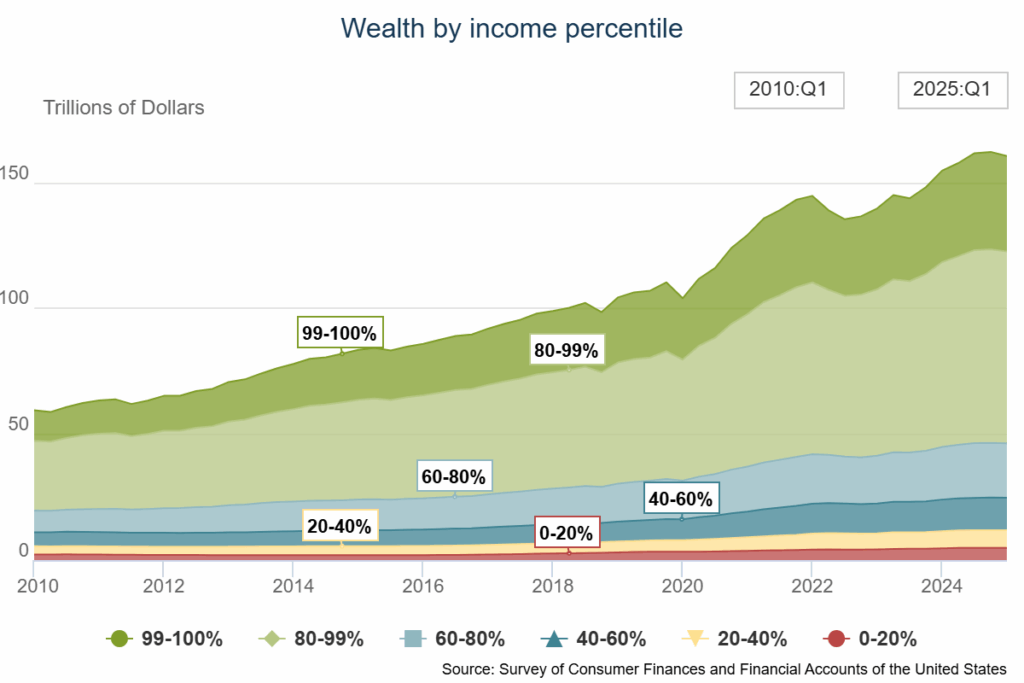
Capitalism will always produce inequities, but our expanding gap threatens to fray the bonds of trust in our economic system, causing young people to seek more dangerous solutions. Ignoring the mass slaughter and oppression of past Communist regimes for the promises of free stuff won’t fix things.
Senator Ted Cruz refuted some justified criticism of the egotistical method of referring to them as Trump Accounts.
“You can call it anything you like. What is powerful is enabling every child in America to have an investment account and a stake in the American free enterprise system.”
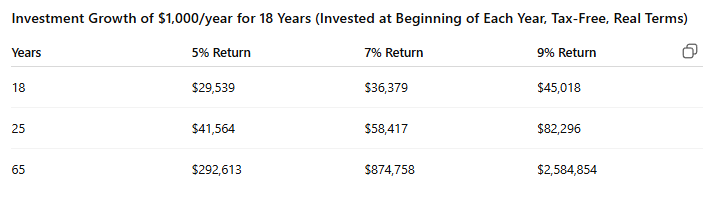
Cruz also mentioned that the purpose of these accounts is to introduce children to investing early and help them experience the compounding potential of market ownership.
“a 10‑year‑old can pull out an app… ‘I own $50 worth of Apple…’”
Source: Marginal Revolution
Despite ignoring the prime factors that are screwing up the lives of our kids, for many reasons, Trump Accounts are a step in the right direction.
Creating new generations of capitalists sure beats the old Soviet System, symbolized by this immortal phrase encapsulating the misaligned incentives of Communism:
“We pretend to work, and they pretend to pay us.”