You become what you spend your time doing.
This doctrine holds regarding the people you hang out with, your health habits, and how you manage your money.
Fitness Trainer Ted Ryce points out that too many people focus on the small details instead of what moves the needle in their quest for fitness. Massive amounts of money flow toward things like Peptides, Cold Plunges, Protein Powder, Saunas, Creatine, and various supplements. All have their place, but are largely ineffective if you don’t first master the fundamentals.
Creatine and Peptides provide little value without lifting weights 2-3x weekly. Not only must you commit to the time, but you must also practice progressive resistance and master proper form for these products to work.
In addition to weights, cardio workouts are vital for peak physical conditioning. Spending at least 150 minutes a week in Zone 2 activities is non-negotiable. An easy way to understand Zone 2 cardio is walking or jogging at a pace where it’s uncomfortable to have a conversation.
None of the above matters much if you don’t allow your body to recover and rebuild. Sleeping 6-8 hours a night accomplishes this integral goal. Your sleep hygiene may be the most essential part of your fitness regime.
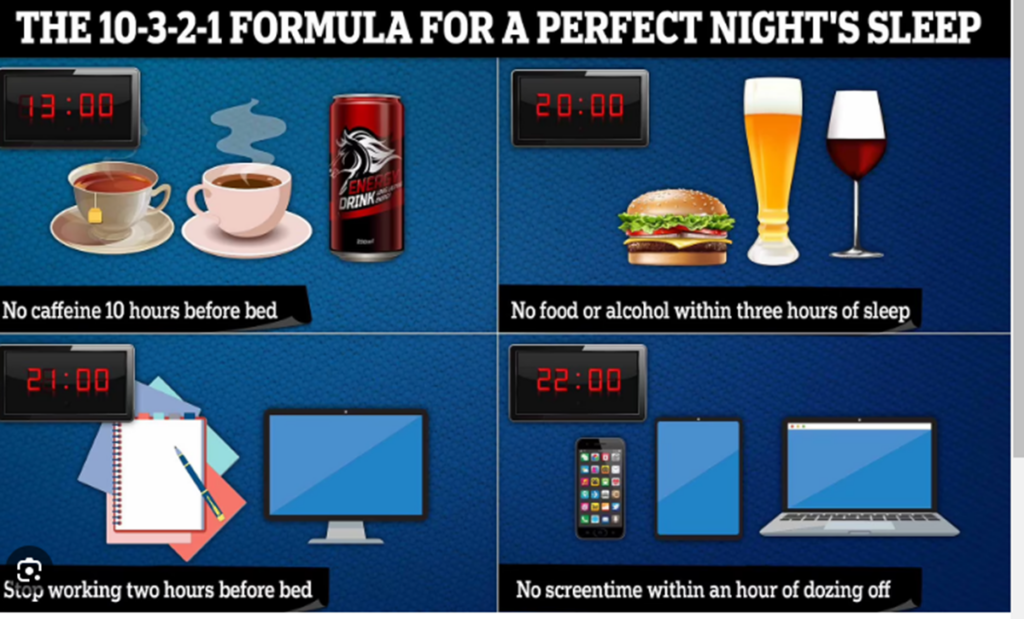
Following the 10-3-2-1 rule is a good place to start. Eliminating caffeine intake 10 hours before bed, not eating 3 hours before sleep, avoiding liquids for 2 hours, and shutting down screens 1 hour before turning in is an excellent protocol for rest and recovery.
Finally, a balanced diet rich in nutrient-dense whole foods often negates the need for expensive supplements.
This isn’t to say cold plunges, saunas, and supplements won’t help you achieve your fitness goals. They’re all excellent ideas, but without the core fundamentals, you’re drastically reducing their impact on your longevity plans.
The same applies to misplaced energy expenditure regarding your finances.
Too often, investors focus on cosmetic rather than structural decisions. It’s similiar to polishing the chrome on your car while the engine leaks oil.
A case in point is blindly focusing on ETF expense ratios. Saving 3 basis points on a fund won’t impact your financial plan. ignoring appropriate asset allocation can devastate it.
Many investors have ignored international stock exposure because it has underperformed U.S. large-cap growth stocks recently. Over the last two years, the tide has shifted. Long-term returns are the key to a successful plan, not saving a couple of pennies off an expense ratio.
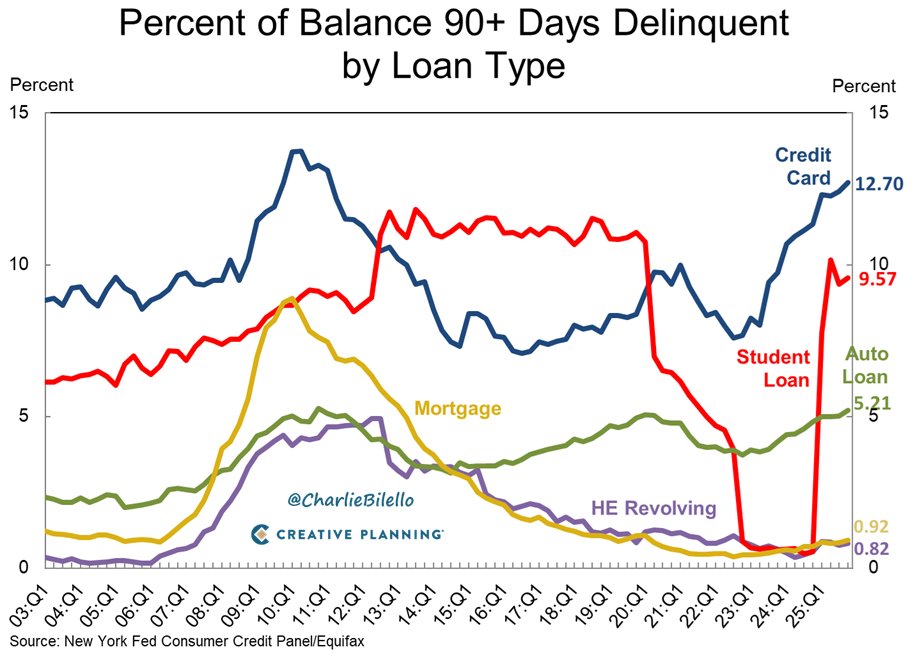
Consumer spending suffers the same flaw. Some people will forego a cappuccino and drive across town for a cheaper tank of gas. Doing this while ignoring paying 21% interest on credit card debt is a path to financial nowhere.
Others meticulously monitor and rebalance their portfolios while ignoring beneficiary updates and the need for basic estate planning, such as health care proxies and revocable trusts.
Finally, some investors spend inordinate amounts of time and energy monitoring monthly economic statistics, Federal Reserve Meetings, and checking CNBC hourly.
Turning off the TV, creating an Investment Policy Statement, understanding the impact of withdrawal rates in retirement, and constructing a sound asset allocation plan with periodic rebalancing are wiser uses of time.
The lesson here is to understand the time and place for fine-tuning your health and financial plans.
Unfortunately, too many people do things backwards.
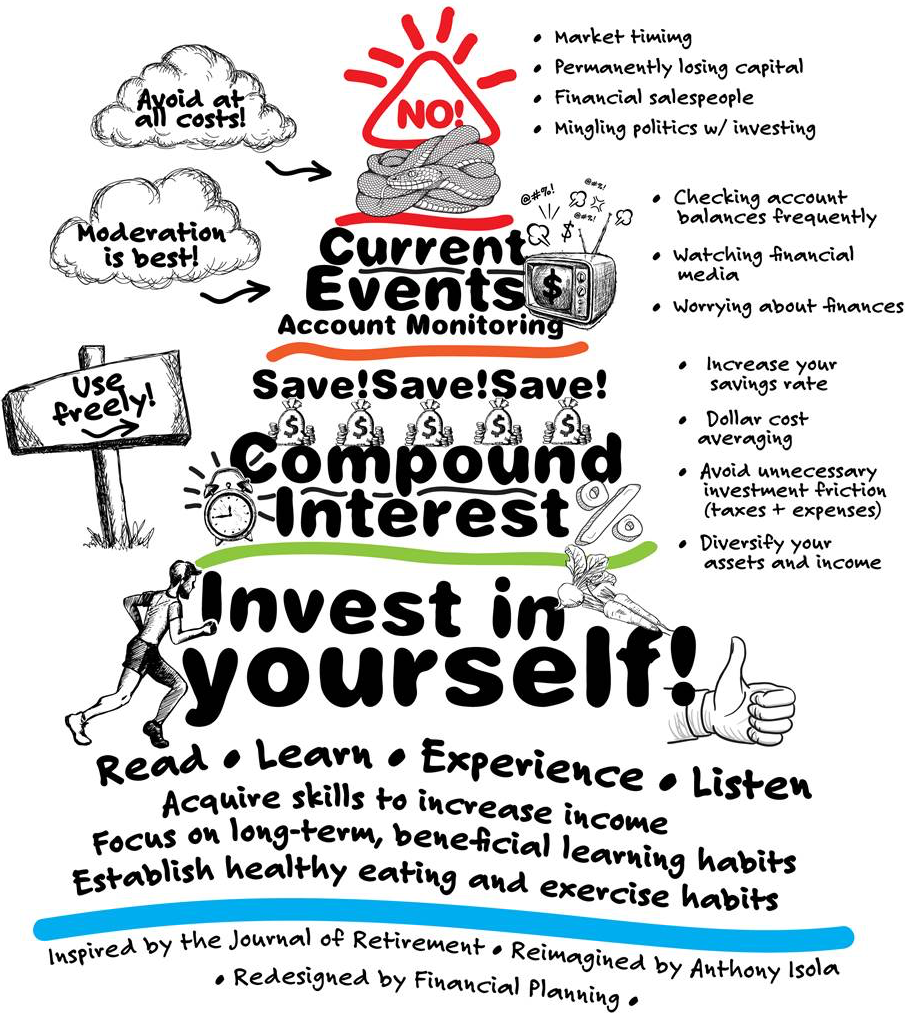
Your health and financial success hinge on a handful of big, boring decisions, not micro-optimization hacks.
Choosing the right majors should be your primary goal for your money and your life.