Don’t fall for the fragile genius trap.
Appearances are deceiving in both life and investing.
Many avoid challenging situations because they desire to appear naturally talented and flawless.
Angela Duckworth created a term for this mindset in her best-selling book, Grit.
She coined the phrase Fragile Perfect.
I frequently observed this phenomenon while teaching middle school. Some students would crash out if they received anything below an A grade, regardless of how minor the assignment.
This behavior is reinforced by parents who care more about a letter next to their child’s name than if they are actually learning anything, or, more importantly, building character by embracing their mistakes.
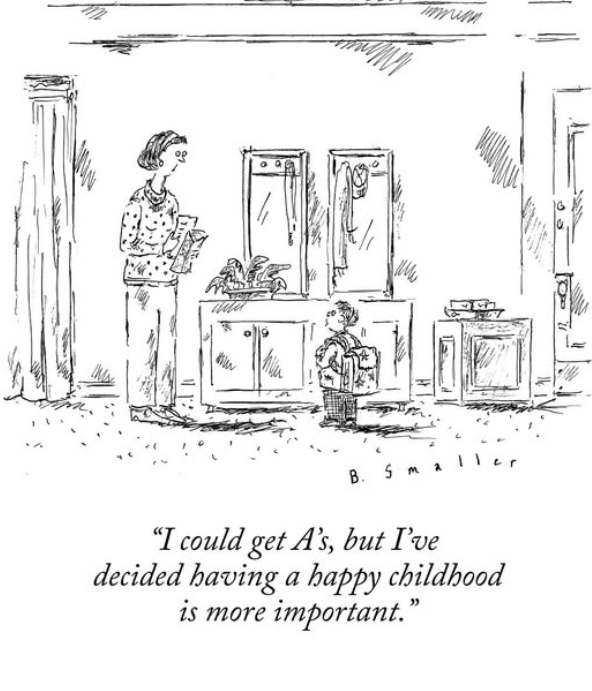
The classic formula of choosing identity over growth has devastating long-term consequences.
We are seeing the effects of fragile perfectionism in both their college journey and their first job experiences.
It’s not uncommon for some parents to contact professors about a grade they didn’t like or request clarification on an assignment. Some parents demand that their child be excused from specific assignments or receive an extension of the due date.
This façade of having a perfect child doesn’t vanish after graduation.
According to CNBC:
One in four Gen Zers has brought a parent to a job interview over the past year, and roughly one-quarter have had their parents submit job applications on their behalf, according to a new survey of nearly 1,500 Gen Zers by ResumeTemplates.com. Another 13% admit to having their parents complete their human resources screening calls.
Adults aren’t immune to being Fragile Perfect. Investors are too often the biggest culprits.
We have all seen the flashy asset persona—expensive sports cars, designer clothes, and bling, resort-like camps for their children, paired with a home to die for. Two high incomes finance these expenditures, or do they?
Don’t even think about saving any money. This couple gained viral fame a while back for being unable to put anything away despite having a $500k income.
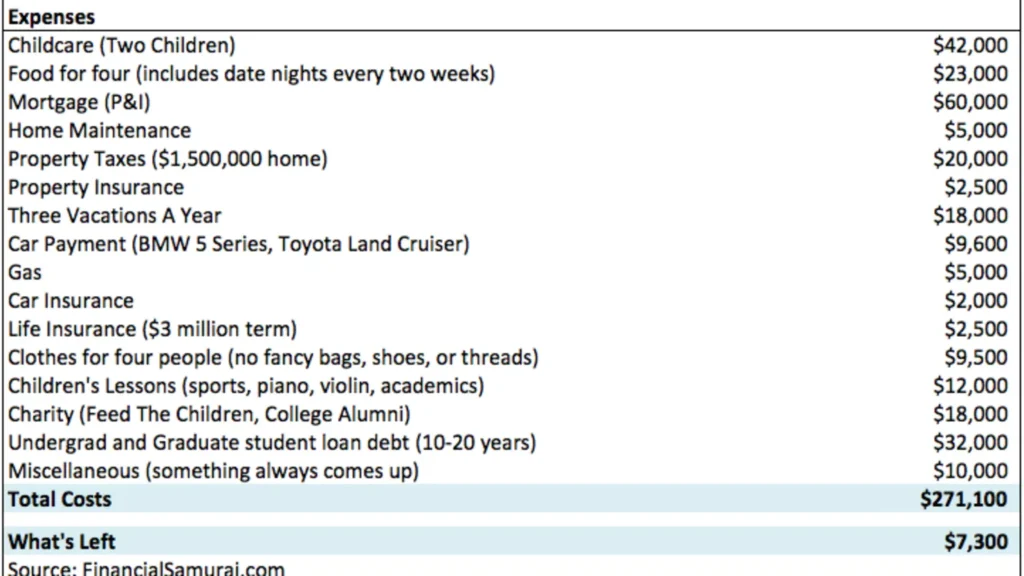
Source: CNBC
Fragile Perfect couples make a substantial amount of money, so they believe they SHOULD be wealthy. Instead, unlike the example above, they avoid logging into their accounts and periodically check on their net worth, the only metric that matters.
They are terrified their actual financial data will challenge their identity as being “successful.”
To maintain their reputation for Fragile Perfect wealth, they finance their lifestyle with car leases, first and second mortgages, as well as a substantial amount of credit card debt.
Retirement plans also contain their share of fragility.
One thing is sure in life and investing: things change. Fragile, perfectionist retirees refuse to change their retirement plan assumptions, fearing it would jeopardize their feelings of past perfection.
They’re terrified of admitting miscalculations and cling to past decisions, ignoring the transient nature of the environment.
Examples include an overly optimistic/pessimistic view of market returns and the resulting spending adjustments, unexpected health issues, or financial emergencies within the extended family.
Protecting an image supercedes developing grit. Investors and everyone else need to adopt a growth mindset that views struggles as part of the plan, rather than something to ignore.
Progress rather than perception should be the North Star of any financial plan.
Avoiding uncomfortable truths, resisting expert advice, hiding mistakes, and preferring being admired above all else is a path to financial and personal destruction.
Embracing inevitable market and life challenges is the only path to developing the ability to handle them.