Avoiding reality isn’t recommended.
Like the old saying goes, When you argue with reality, you lose, but only 100% of the time.
Especially when it concerns your finances.
I remember when I was a young trader.
Besides taking the 5:20 AM train to Penn Station and making a pit stop at St. Patrick’s cathedral to get me through the day’s carnage, something else is seared in my memory.
When I would arrive every morning, some of the few people there before me worked on the FX options desk. I never really understood what they were doing but it looked too complicated for a sleep deprived 23 year old to comprehend.
Unfortunately for the firm, they knew their job too well.
It turns out, every evening they were marking their positions to the current daily exchange rates. By doing this they were neither showing any profit or loss avoiding the scrutiny of management.
It turns out, those positions were nowhere near the current market prices. Both their long and short positions were far out of the money.
In effect, they were marking their positions to make believe.
Nothing lasts forever. One morning I came in and found the options desk abandoned except for their admin. I assumed they were in a meeting.
They were except that meeting had ended with them being escorted out of the building by security.
Management uncovered their scheme and fired the entire desk.
That example of how illiquid investments are valued stood with me forever.
That brings us to today’s topic private investments.
Fundamentally there is nothing inherently wrong with private capital. It’s about tradeoffs. According to our inhouse private investment guru, Adam Niestradt:
Investors sacrifice liquidity, transparency, simplicity, low fees and easy benchmarking. They exchange this for the potential for increased returns, diversification, manager skill and access to less efficient markets.
Like most things in financial services, the risks aren’t given equal time in the sales pitch to the rewards. High fees and commissions create incentives to only relay the fun part of the story.
In my experience the piece that draws ordinary investors into the spider web is this:
‘When the market convulses your investments won’t drop in price.”
There are a multitude of problems with this analysis. Since these investments aren’t traded it’s almost impossible to come up with a price for them with out a high level of mathematics combined with a dash of sorcery.
Never confuse an unavailable price for a lack of volatility. Investors are often tricked into thinking stagnant pricing equals no capital loss.
This rears it’s ugly head when investors try to sell these positions during bear markets. Just like my friends on the option desk. you can only mark positions to make believe for so long before the cat gets out of the bag.
Also fees matter -a lot.
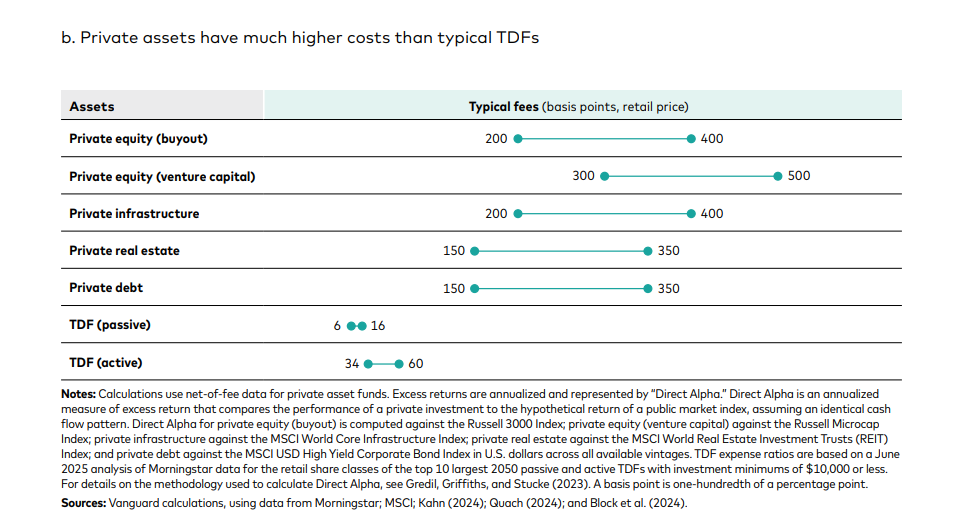
The average investor has enough trouble understanding how highly liquid publicly traded investments work. The idea of including private investments in the average Joe’s 401k plan needs to be handled with care to say the least.
There are benefits to these investments for the right investors. Unfortunately most people don’t fall under the category of Right.
Simple beats complex in most things in life especially investing.
BTW, the returns are pretty, pretty, good.
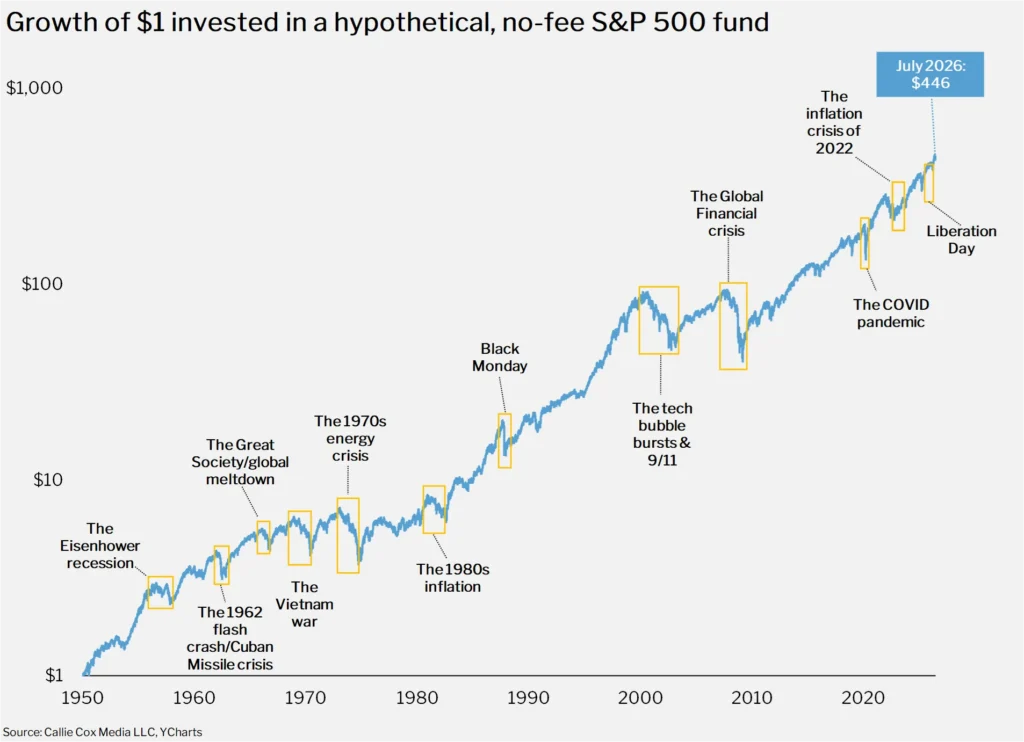
Knowing the actual price of your investments isn’t too much to ask.