Climbing a mountain is half the battle.
Getting down is the tricky part.
Jon Krakauer’s book Into Thin Air describes the deadly results of focusing too much energy on the former and not enough on the latter.
In 1996, Krakauer joined an expedition to climb Mount Everest. His role was to document the journey of a group of wealthy people who hired an expensive expert guide to transport them to Everest’s summit, 29,000 feet above sea level.
Despite having the best guides and equipment, along with native Sherpas to haul their stuff, the expedition ended in disaster, resulting in the deaths of six climbers.
What happened?
A storm arose at the world’s highest point, with 100 mph winds and blinding snow. There was a specific window of time to reach the top, providing a small margin of error to descend safely.
For various reasons, the majority departed the mountain top too late, and half the group found themselves stuck in the middle of the night in a raging blizzard with little protection or oxygen.
They had a choice to turn back, but after climbing 28,000 feet, egos got in the way and sealed their fate. Krakauer summed this up masterfully by remarking – Getting to the summit is optional, Getting down is mandatory.
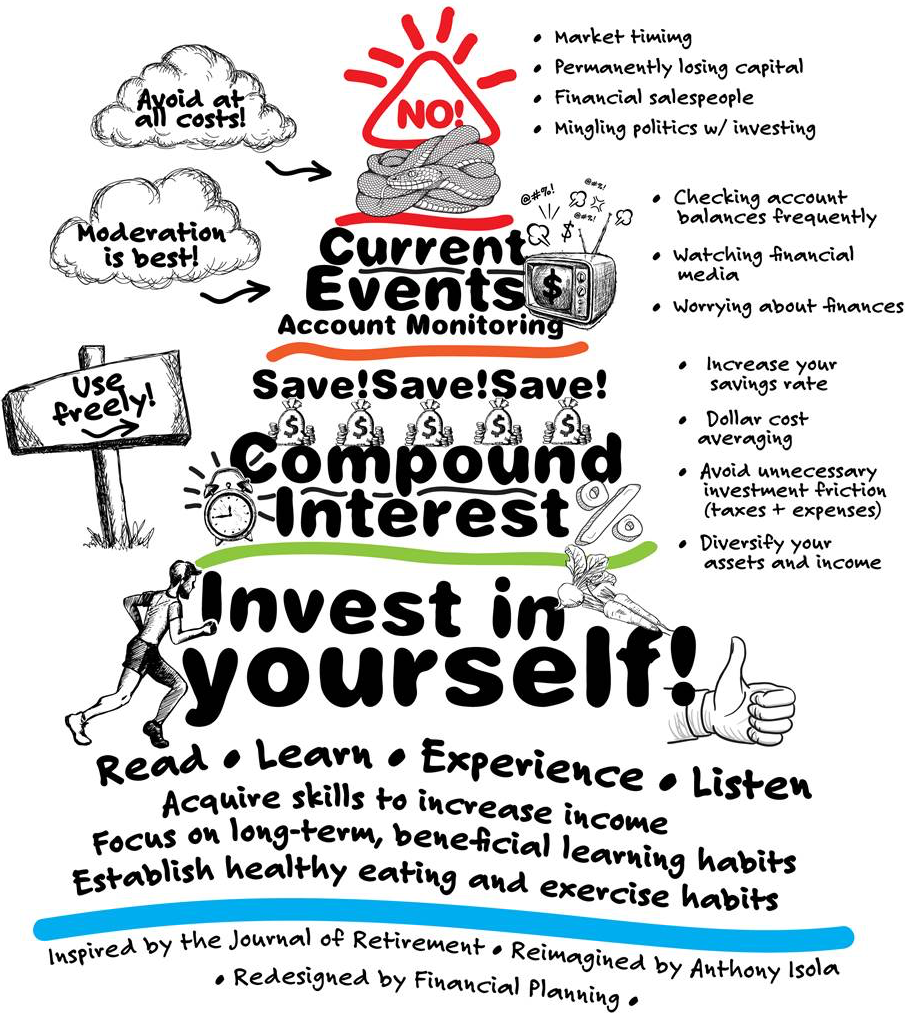
There are a multitude of metaphors that apply to the accumulation/distribution phases of retirement savings.
Like climbing Everest, which involves years of training, gear checks, and oxygen acclimatization, retirement’s accumulation depends on years of saving, diversification, and risk management.
Following the course of the Sherpa lines is integral for mountain safety. The same applies to sticking with an investment plan and avoiding FOMO.
With enough determination, any bloody idiot can climb this hill; the trick is to get back down alive.
Most deaths on Everest (You can view the frozen bodies on the ascent) occur on the way down due to exhaustion, weather changes, and poor decisions.

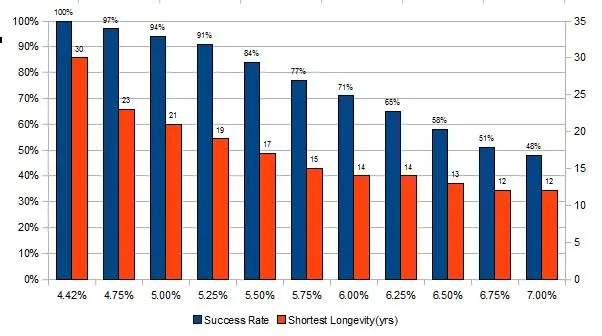
Similiar problems arise in the retirement distribution phase. Bear Markets at the outset of retirement are the equivalent of a blizzard on Everest’s peak. Retirees are running out of oxygen at 29,000 feet up without understanding safe withdrawal rates.
To quote Krakauer, Without the Sherpas, few western climbers would ever reach the summit.
Professional guides and Sherpas read the weather, manage the route, and keep climbers safe. The same applies to real financial advisors who guide retirees through market storms, rebalance portfolios, and adjust spending plans.
Source: Bill Bengen
The main takeaway from this tragic tale of despair is that reaching the retirement summit is a victory, but the real test is making it safely without running out of money.
Accumulating a comfortable nest egg is a laudable accomplishment. Unfortunately, the work has just begun.
Premature celebrations may lead to disastrous consequences. If you doubt their importance, remember these words from Krakauer.
Reaching the top of Everest—the summit was only the halfway point. Any impulse toward self-congratulation was extinguished by overwhelming apprehension about the long, dangerous descent that lay ahead.
Don’t get stuck on the retirement mountain by letting your ego triumph over a sensible, sustainable spending plan.