We’re addicted – not by accident, but by design.
Our economy’s goal is to keep us hooked.
The mechanics are the same whether it’s scrolling, eating, gambling, or chasing the next trade. Addiction isn’t a bug in the system; it’s a feature.
We live inside a dopamine machine that never powers down.
If you think investing is any different… you’ve already pulled the handle.
Every primary industry has one thing in common. If companies keep you craving, they keep you consuming.
-
Junk food’s focus is hyperpalatability — sugar, salt, and fat blended into perfect little dopamine grenades.
-
Social media begs for engagement: endless scrolling, random rewards, and red badges that beg for your thumb.
-
Gambling preys upon intermittent reinforcement — lights, bells, near misses, and the illusion of control.
These aren’t accidents. Billion-dollar operating systems designed to bypass willpower know precisely what they’re doing.
Look at your brokerage app with the blinking stock prices, which turns trading into a game.
See the pattern?
Investing follows the same infinite loop. The goal of many apps isn’t building wealth; it’s keeping you coming back for more.
It’s no accident that real-time quotes and flashing tickers mimic a slot machine lighting up.
The trending stocks list is similiar to a For You page.
Meme stock chatter and push notifications are like a Casino’s offering free booze.
These processes lead down the same path, encouraging investors to take often needless and destructive action. This activity is very profitable for the financial media and brokerage firms, not for you.
Daniel Kahneman and Richard Thaler invented Behavioral Economics. Their primary thesis is that investors are irrational. Joe Public isn’t stupid, but his brain fails to account for the fluctuations of financial markets. Our wetware feeds on survival designed for environments that existed thousands of years ago.
Markets throw out random signals, move unpredictably, and reward patience. These traits feed our reactive cravings but don’t build wealth.
We saw this in real-time last Friday, where a Crypto bloodbath wiped out billions.
Joshua Duckett, director at a crypto forensic firm, summed up the carnage: “Most people don’t invest more than they can lose, but in the crypto industry as a whole, in terms of leveraged trading, it’s in the billions.”
According to CCN:
More than 1.6 million traders saw their positions evaporate as Bitcoin, Ethereum, and dozens of altcoins plunged double digits. This $19 billion liquidation bloodbath, roughly nine times larger than any previous single-day crypto wipeout, underscores how rapidly geopolitical shocks can unravel highly leveraged crypto markets.
One thousand ten traders lost over $100,000 in a single day, while 206 traders were down more than $1 million each.
Obscene amounts of leverage magnified these losses, some reaching an unfathomable 100X.

None of this would surprise Kahneman and Thaler. They knew the system wasn’t broken but was working exactly as designed.
What’s the answer to the siren song of the financial temptress looking to devour your hard-earned money?
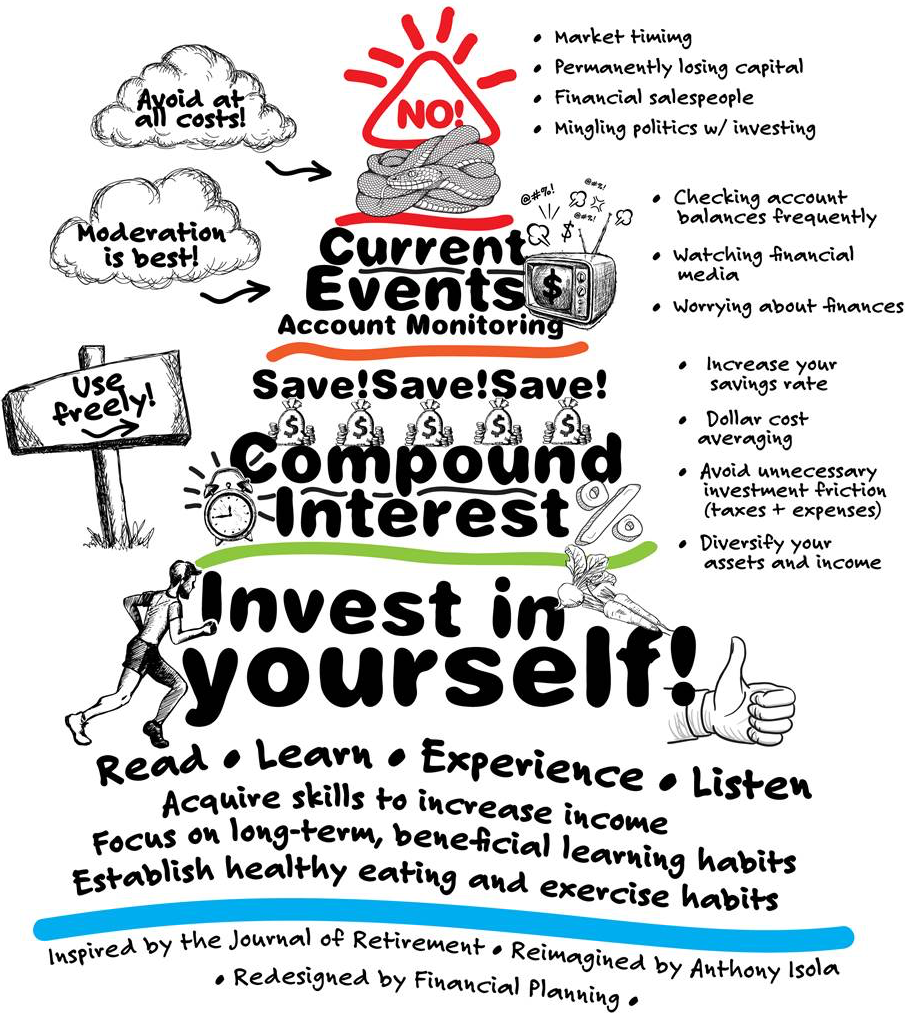
Financial Sobriety slays the dragons of impulsivity.
You can start by:
- Deleting notifications.
- Automating contributions.
- Stop checking daily prices.
- Investing in broad-based index funds.
- Writing down a long-term plan and most impotnatly, sticking to it.
Sobriety doesn’t mean abstinence from markets. It means abstinence from self-sabotage.
Keep this in mind if you’re thinking of giving in to the financial temptations that saturate your online and offline world.
Boring builds wealth. Dopamine builds someone else’s.
Financial freedom isn’t about being smarter than the market. It’s about being less addicted to it.